An Independent Comparison Guide

Before you choose a country, know what you're choosing.

Cost, accreditation, distance, and what the brochures leave out — a plain-spoken comparison of addiction treatment abroad, built for people who want facts before they book a flight.

Not a treatment provider. RehabCountries is an independent research resource that connects readers to licensed partner programs when asked.

An open atlas on a desk with a compass and a hand-drawn dashed route from North America toward South America
FIG. 1 — ILLUSTRATIVE ROUTE, NOT TO SCALE
Licensed & accredited partner programs Family-inclusive care Evidence-based treatment No cost to you to inquire
The Context

Why so many Americans are looking outside the US for treatment

The math is a big part of it. A single month of residential treatment at a well-regarded US facility can run well into five figures, and luxury programs regularly exceed $30,000–$90,000 a month. Most health plans cover only a fraction of that, if they cover residential treatment at all. For a lot of families, the choice isn't between a US program and a program abroad — it's between a program abroad and no program at all.

Cost isn't the only reason. Addiction researchers have long noted that geographic distance can be a clinical asset, not just a financial workaround: removing someone from the specific people, places, and routines tied to active use can interrupt the cue-response patterns that keep a relapse cycle going. That's a real, evidence-informed argument for treatment abroad — separate from whatever a glossy brochure promises.

None of that makes the decision simple. Different countries regulate treatment facilities differently, "luxury" doesn't always mean better clinical care, and a beautiful location is not the same thing as a qualified clinical team. This page exists to make the comparison honest.


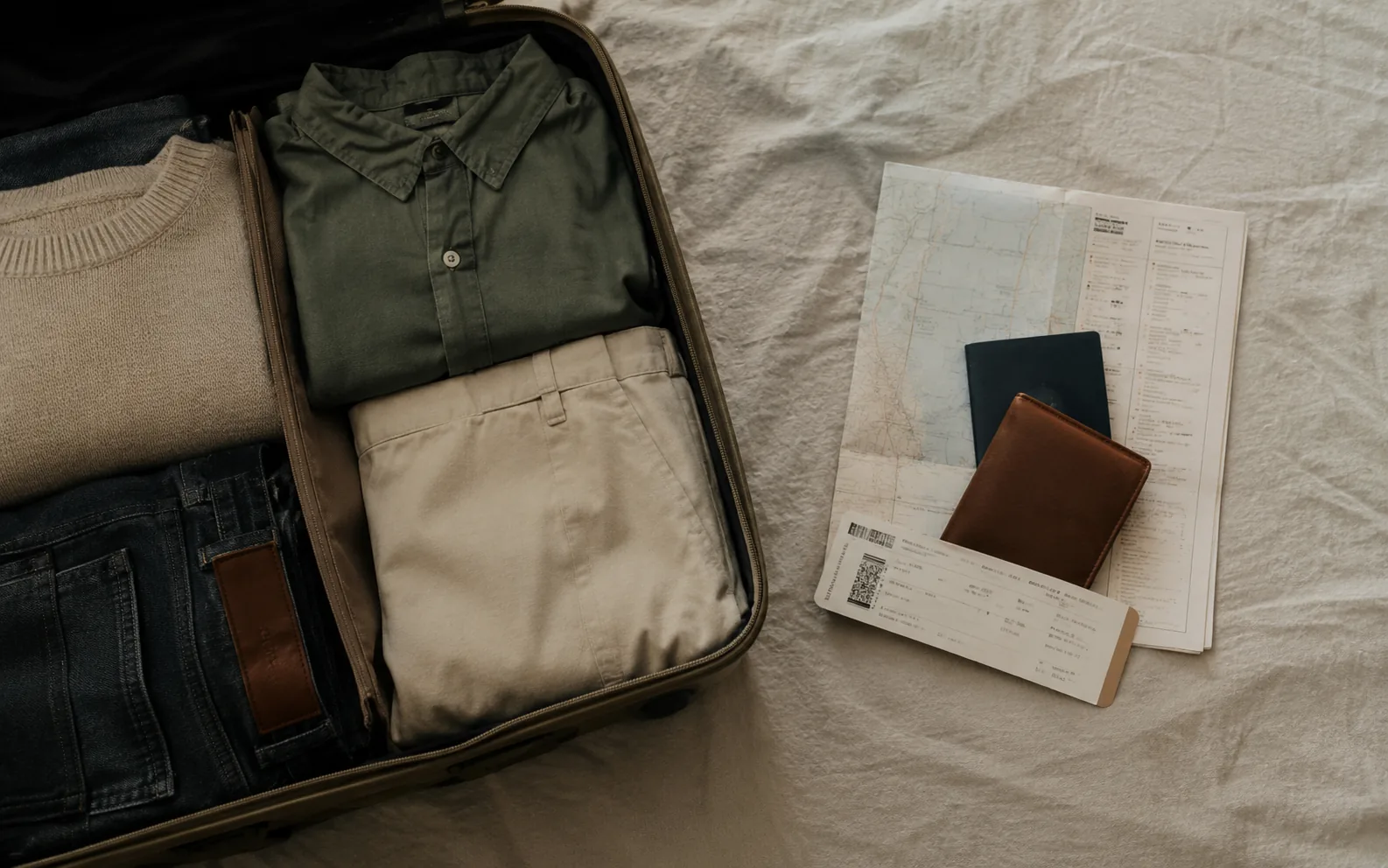
A packed suitcase beside a passport, boarding pass, and map on a bed, prepared for travel
The Cost Guide

What a month of residential treatment actually costs, by country

Typical 2026 published ranges for standard-to-mid-tier residential programs. Luxury facilities run higher in every country listed below — request an itemized quote before you compare apples to apples.

United States
$15,000–$50,000
Thailand
$3,000–$20,000
Mexico
$5,000–$20,000
Costa Rica
$5,000–$15,000
Colombia
$6,000–$15,000
$0$10k$20k$30k$40k$50k+
Ranges reflect published rates from treatment directories and provider sites (2026) for standard-to-luxury residential programs. Actual cost depends on program length, level of medical care, room type, and accreditation. US luxury facilities can exceed $90,000/month.
Country by Country

Five destinations, five different experiences

A quick-reference snapshot of each country. None of these are rankings — they're trade-offs, and the right one depends on the person.

BASELINE

United States

$15,000–$50,000+/mo
  • No flights or logistics required
  • Broadest insurance-adjacent options
  • Family can visit easily
Highest cost by a wide margin; long waitlists at reputable facilities are common.
~2–4 HRS FROM MOST US GATEWAY CITIES

Mexico

$5,000–$20,000/mo
  • Closest and most affordable long-haul-free option
  • Large range of program styles, including ibogaine clinics
  • Many bilingual, US-trained staff
Facility quality varies widely — accreditation isn't universal, so vetting matters more here than anywhere else on this list.
~3–6 HRS FROM MOST US GATEWAY CITIES

Costa Rica

$5,000–$15,000/mo
  • Strong reputation for holistic, nature-integrated programs
  • English widely spoken in treatment settings
  • Established medical tourism infrastructure
Some centers market heavily on scenery over clinical credentials — ask about the clinical team first.
20+ HRS, TYPICALLY WITH A LAYOVER

Thailand

$3,000–$20,000/mo
  • Well-established JCI-accredited hospital network
  • Wide range of price points, from no-frills to luxury
  • Long-standing international patient infrastructure
The distance that helps some patients makes family visits and quick returns home much harder.
At a Glance

Quick comparison table

CountryTypical Monthly CostFlight Time from USEntry for US CitizensJCI-Accredited Hospitals
United States$15,000–$50,000+N/A — domestic Joint Commission/CARF accreditation
Mexico$5,000–$20,000~2–4 hrsVisa-free tourist entrySome — varies by facility, verify directly
Costa Rica$5,000–$15,000~3–6 hrsVisa-free, short staySome — verify per facility
Thailand$3,000–$20,00020+ hrsVisa-free, short stayYes — established JCI hospital network
Colombia$6,000–$15,000~3–5 hrsVisa-free, 90 daysYes — 6 nationally accredited hospitals

Visa and entry policies change. Always verify current requirements with the destination country's embassy before booking travel.

A hand holding a magnifying glass over an accreditation certificate beside a checklist on a clipboard
How to Vet a Program

Questions to ask before you book — in any country

A brochure can't tell you if a program is right. These questions can, no matter which country you're considering.

  • Is the facility accredited, and by whom? Ask for the certificate, not just the logo on the website.
  • Who is on the clinical team, and what are their credentials? You should be able to speak with a clinician, not just a sales coordinator.
  • Is medically supervised detox available on-site, with 24-hour coverage for withdrawal risks like alcohol or benzodiazepines?
  • What does the family program actually include — sessions, frequency, and format?
  • What happens in a medical emergency? Ask about the nearest hospital and emergency protocol specifically.
  • Is pricing itemized and all-inclusive, or are there add-on fees for therapy, activities, or private rooms?
  • What does aftercare look like after discharge — is there a continuing care or telehealth plan?
  • Can they connect you with former clients or verifiable outcome data, not just testimonials on their own site?
Our Focus

Why our research keeps pointing back to Colombia

We compared every country on this list the same way — cost, accreditation, flight time, nothing hidden. Colombia keeps winning on value: the clinical infrastructure of Thailand, the flight-time convenience of Mexico, without the accreditation guesswork of either. It's not the only good option on this page. It's just the one the numbers keep pointing to.

6JCI-Accredited Hospitals
3–5 hrsDirect Flights, Major US Cities
90 DaysVisa-Free Entry, US Citizens
0 hrsTime Zone Difference, US East Coast
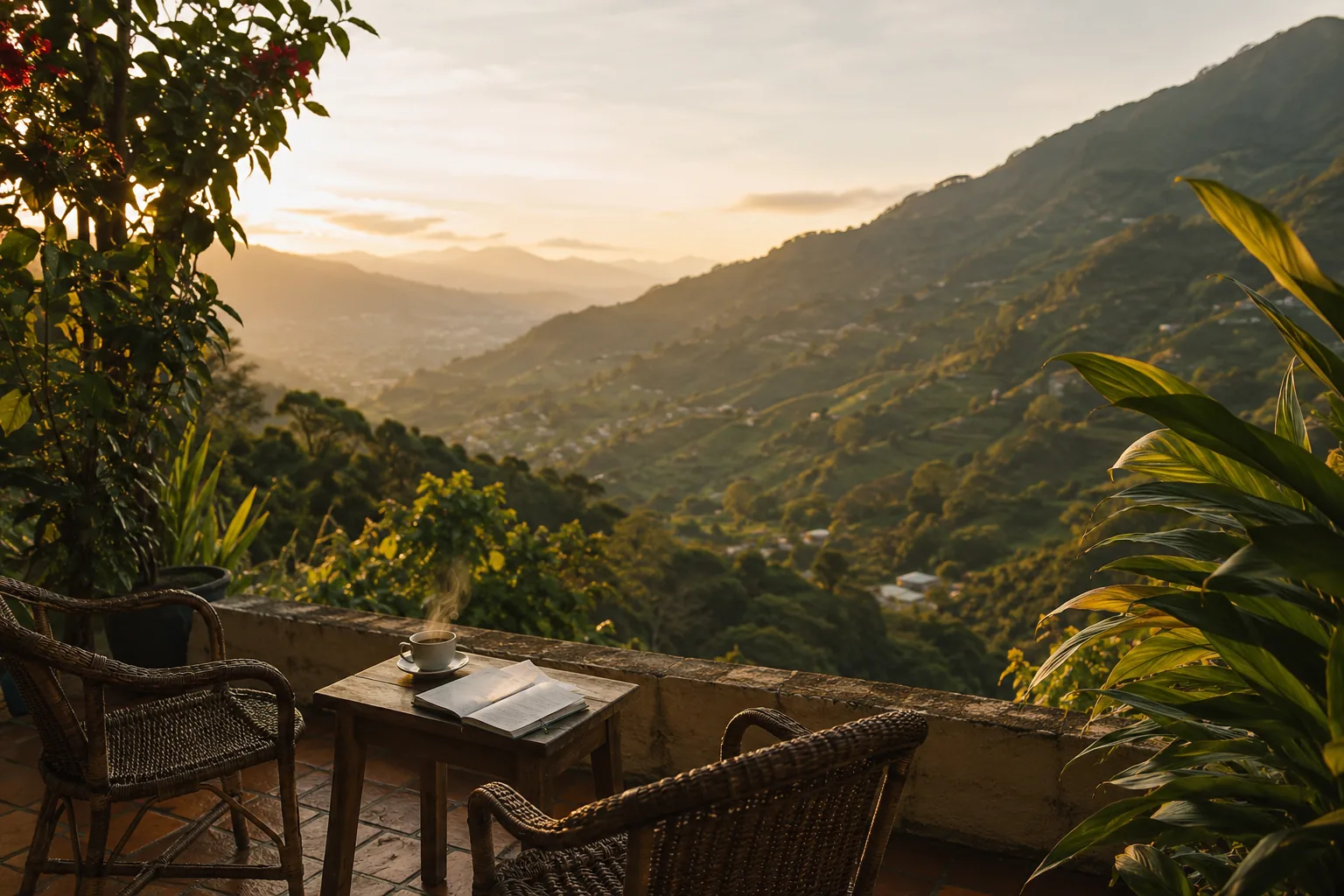
A quiet terrace overlooking green mountains near Medellín, Colombia at sunrise
6.2442° N, 75.5812° W — MEDELLÍN, ANTIOQUIA

If you or someone you love needs help right now

SAMHSA National Helpline (free, confidential, 24/7/365): 1-800-662-4357

In a mental health or suicide crisis, call or text 988 (Suicide & Crisis Lifeline) anytime.

This site provides research and comparison information only. It is not a substitute for professional medical, psychiatric, or emergency care.

Common Questions

Frequently asked questions

Is rehab abroad actually safe?

It can be, at a properly accredited facility with a qualified medical team — the same way it can be unsafe at an unaccredited one anywhere, including in the US. The safety question isn't really about the country; it's about the specific facility. Verify accreditation, ask who's on the clinical team, and confirm what medical backup is available before you commit.

Will my US insurance cover treatment outside the country?

Usually not directly. Most domestic health plans don't cover international treatment, though some out-of-network or international insurance policies may offer partial reimbursement. Many families weigh the out-of-pocket cost abroad against the out-of-pocket cost of a comparable US program after deductibles and coinsurance — the gap is often smaller than expected.

How long should treatment actually be?

Research consistently associates longer stays with better outcomes — 90 days shows meaningfully better results than 28-day programs in NIDA-cited research. Because pricing abroad is lower per month, a 90-day program abroad can cost less in total than a 28-day program in the US, which changes the calculus for a lot of families.

Can family stay involved if treatment is in another country?

At reputable programs, yes. Look for scheduled virtual family therapy, defined family-week or visiting protocols, and a clear communication plan — and ask about these specifically before booking, since "family involvement" means very different things at different facilities.

What if medical detox is needed first?

Most reputable residential programs include medically supervised detox as part of admission, with 24-hour nursing and physician oversight for higher-risk withdrawals like alcohol or benzodiazepines. Confirm this is included — and on-site — before you book, since not every facility offers it.

Ready to compare real programs, not just price ranges?

Tell us a bit about the situation on WhatsApp, and we'll help point you toward accredited options — starting with Colombia.